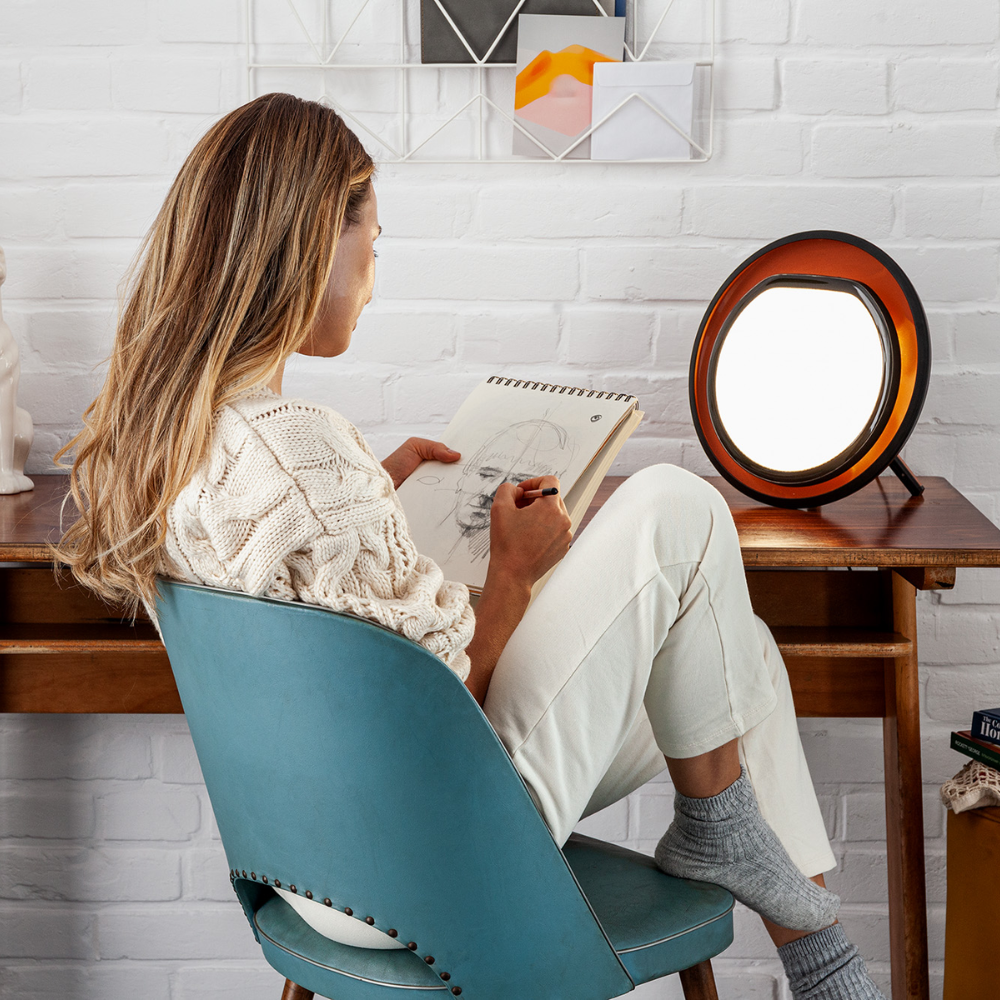
The vast majority of people living in the Northern Hemisphere experience the effects of seasonal and weather changes at this time of year. These changes can disrupt daily life in many ways, including changes in energy levels, sleep, eating habits, mood, and overall sense of well-being. The severity of symptoms can vary, with those affected falling on the spectrum of seasonal affective disorder (SAD) or subclinical SAD, often referred to as “winter blues.”
What are the main symptoms?
Seasonal affective disorder and the so-called "winter blues" are most often manifested by sleep disorders: a person may sleep too long, but still not feel rested, it becomes difficult for him to get out of bed in the morning, and during the day the need to take a nap appears. Overeating is also characteristic, especially an increased craving for carbohydrate-rich foods, which often leads to weight gain. In the emotional sphere, depression, hopelessness, depression, feelings of guilt and anxiety appear, due to which even ordinary daily tasks become exhaustingly difficult. A feeling of lethargy is also common - a person feels exhausted, too tired to cope with daily challenges, and any activity seems to require great effort. In addition, difficulties in family and social relationships often arise: communication is avoided, irritability increases, libido decreases, a feeling of emotional "numbness" appears. Physical symptoms also occur, such as joint pain, digestive problems and reduced resistance to infections.
Why does SAD occur?
Psychiatrist and scientist Dr. Norman E. Rosenthal, who first described and extensively studied winter depression in the 1980s, identified three main factors in the development of seasonal affective disorder: innate vulnerability, environment (especially lack of light), and stress.
Also important are two major neurotransmitter systems – serotonin and dopamine – and the hormone melatonin. Dopamine and serotonin are naturally occurring substances in the body that have a significant impact on a person’s mood and overall well-being. Serotonin is associated with the regulation of mood and emotions, as well as appetite, digestion, and motor, cognitive, and autonomic functions.
It has been found that the amount of serotonin in the blood, which comes from the brain, is directly dependent on exposure to sunlight. This explains why on gloomy and dark days we often feel cravings for serotonin-boosting, carbohydrate-rich foods.
Dopamine is responsible for movement and emotional responses, among other things. Even seasonal dopamine imbalances can affect motivation, memory, feelings of pleasure or satisfaction, and negatively impact social life and interpersonal interactions.
The sleep hormone melatonin also plays an important role. Since light suppresses melatonin secretion and regulates the sleep-wake cycle, short and dark days can disrupt circadian rhythms, causing feelings of sluggishness, drowsiness, and lack of energy.
Why choose light therapy?
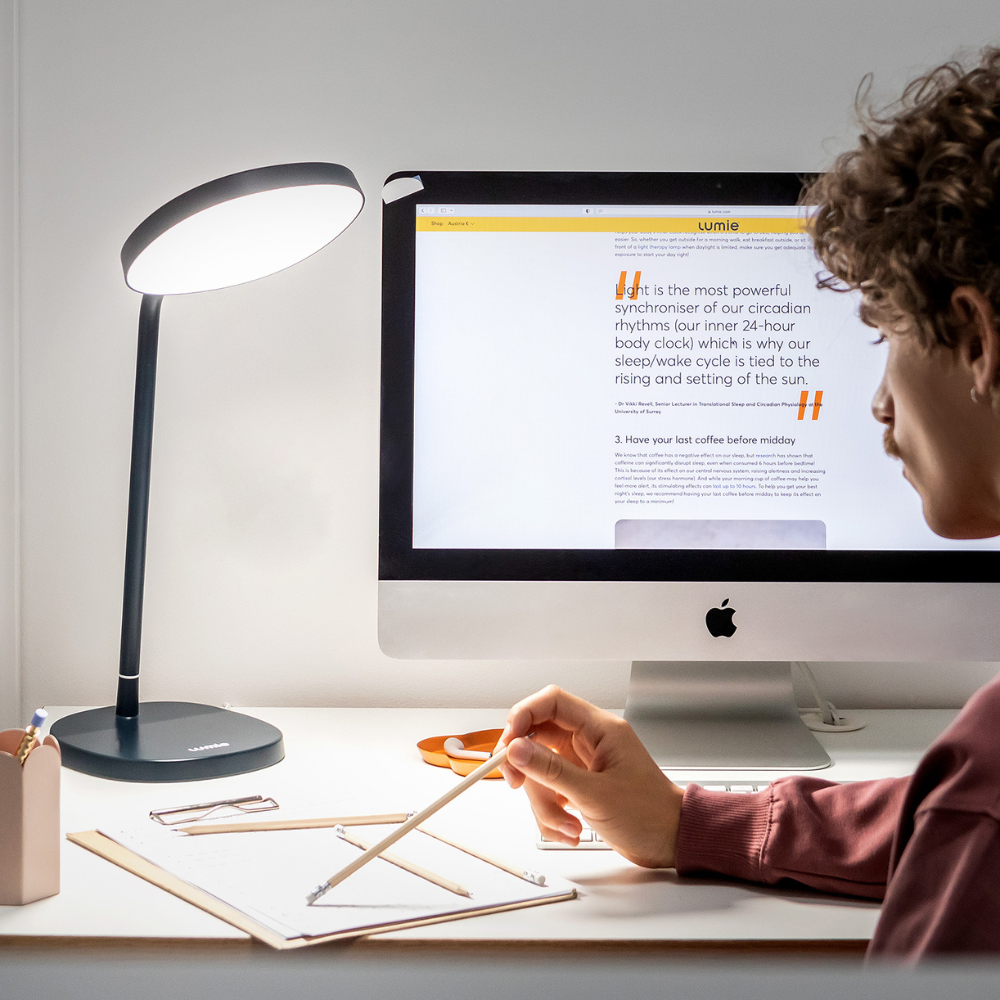
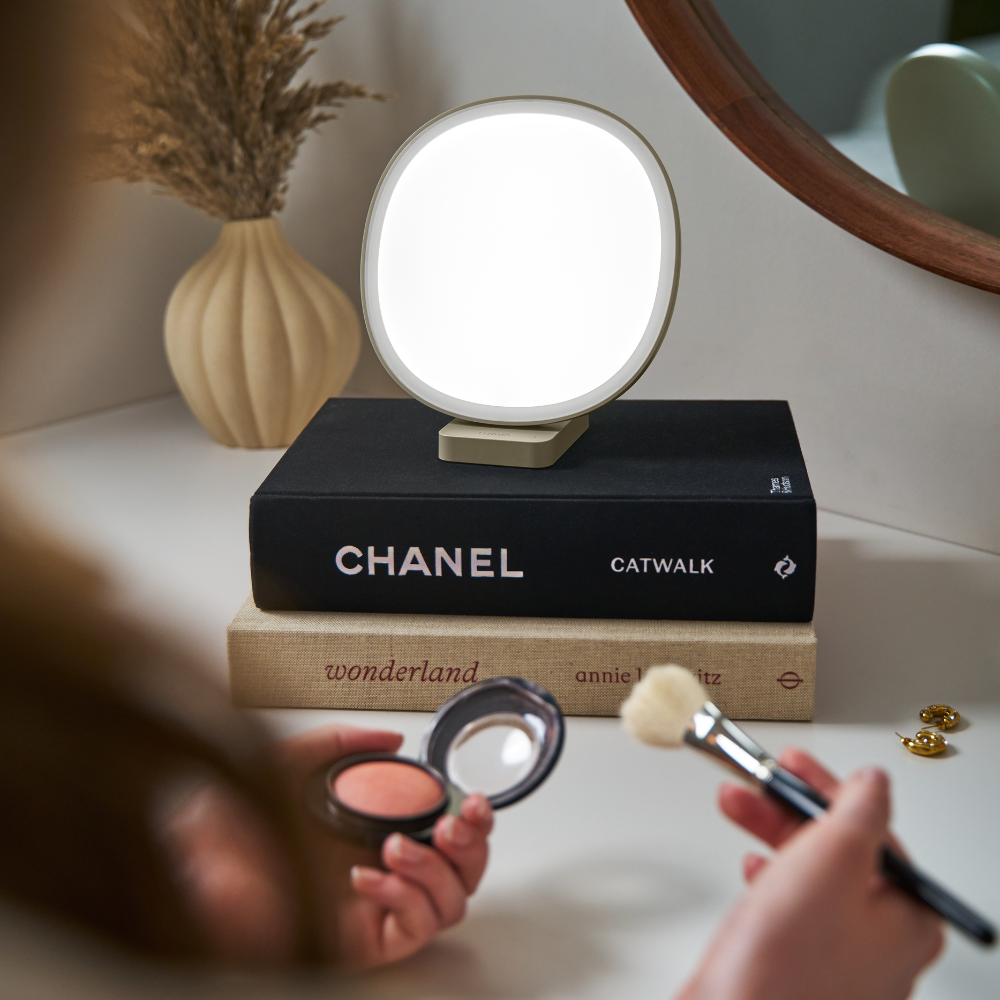
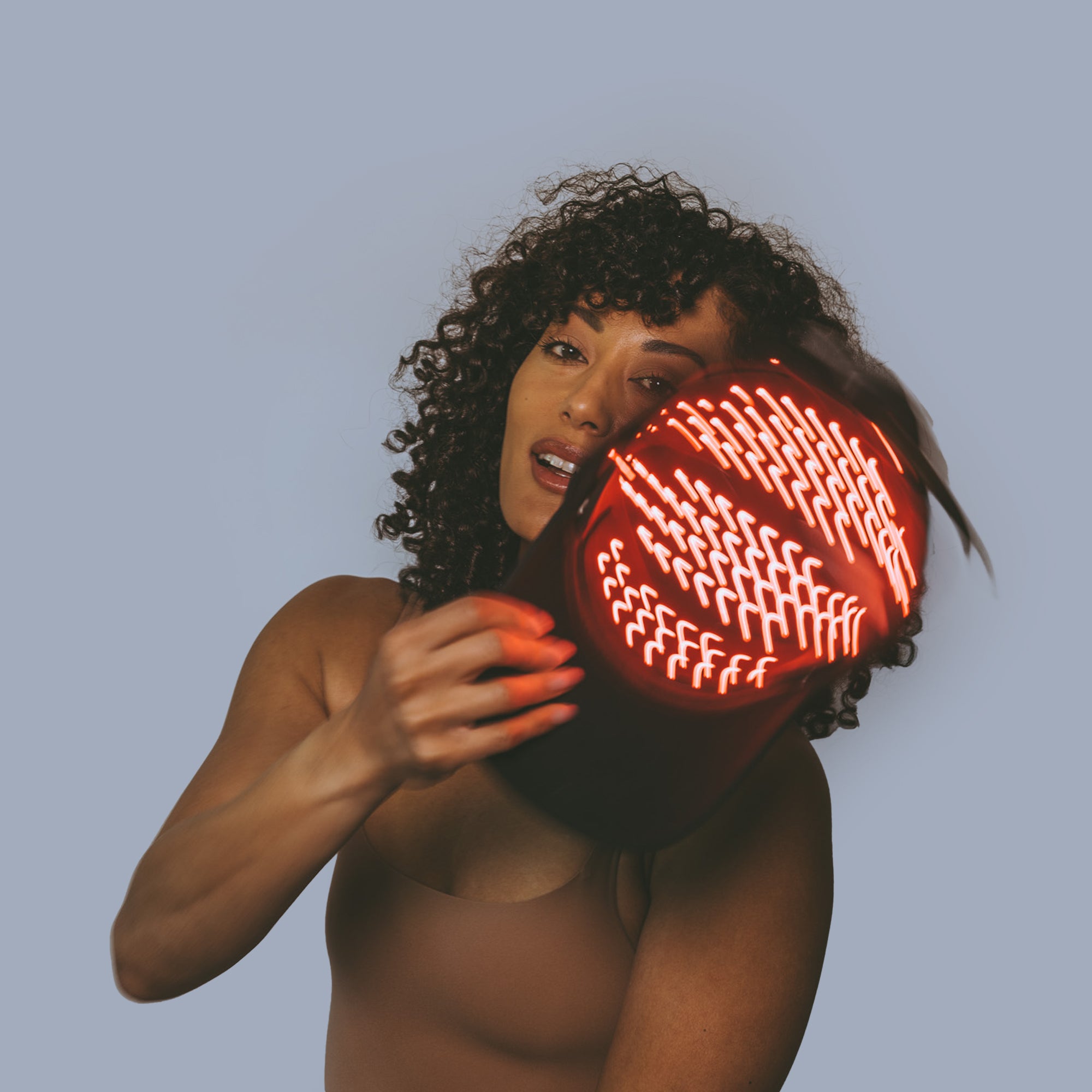
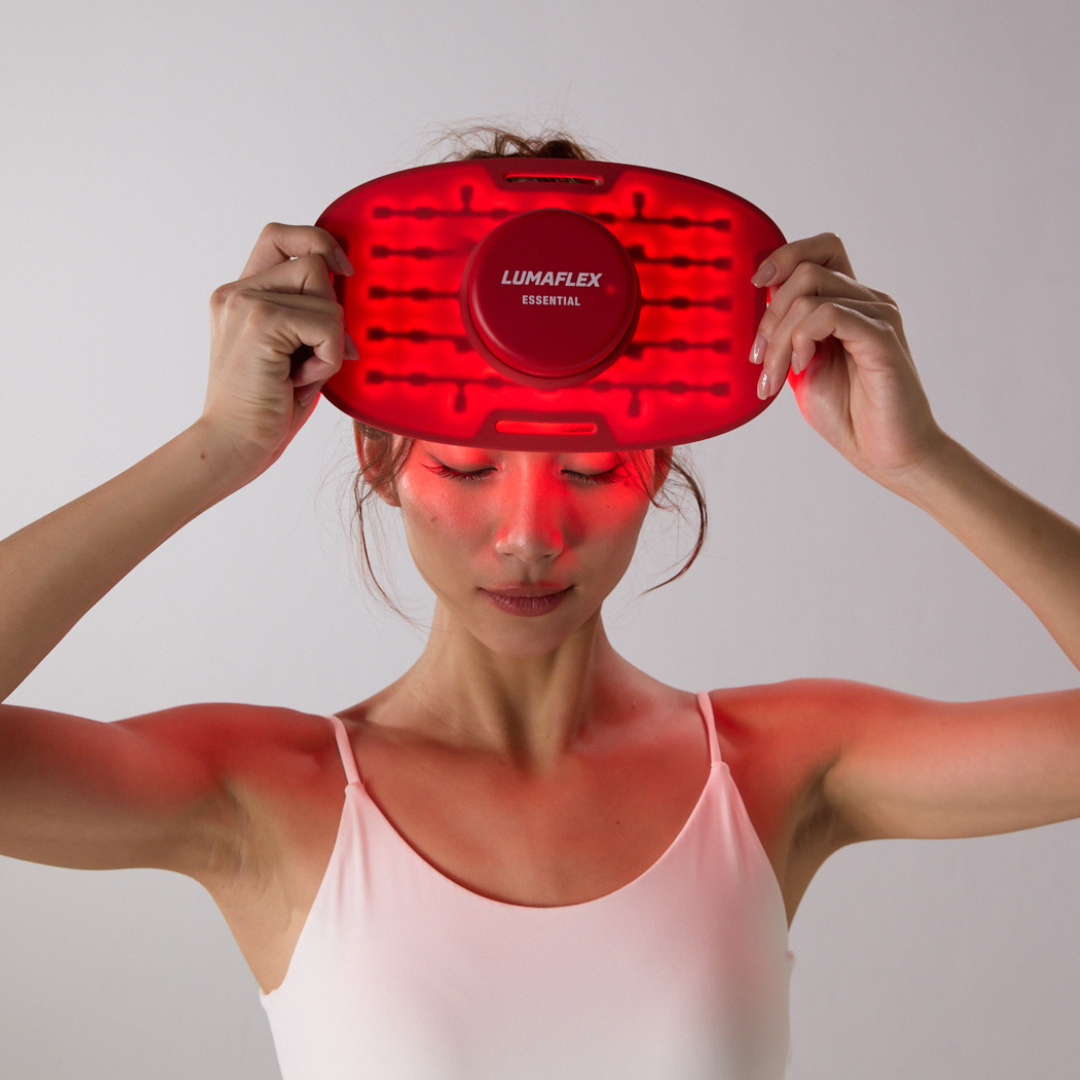
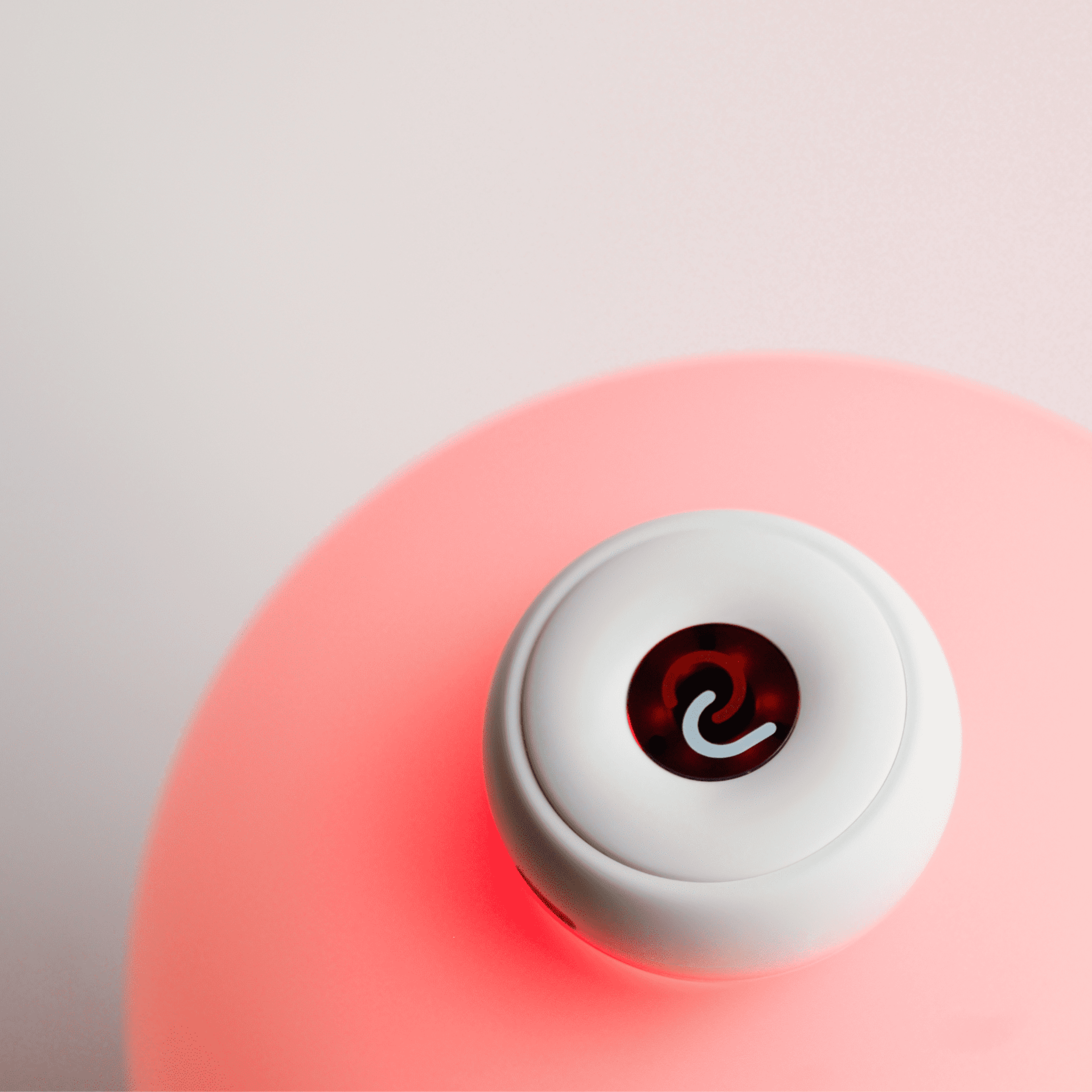
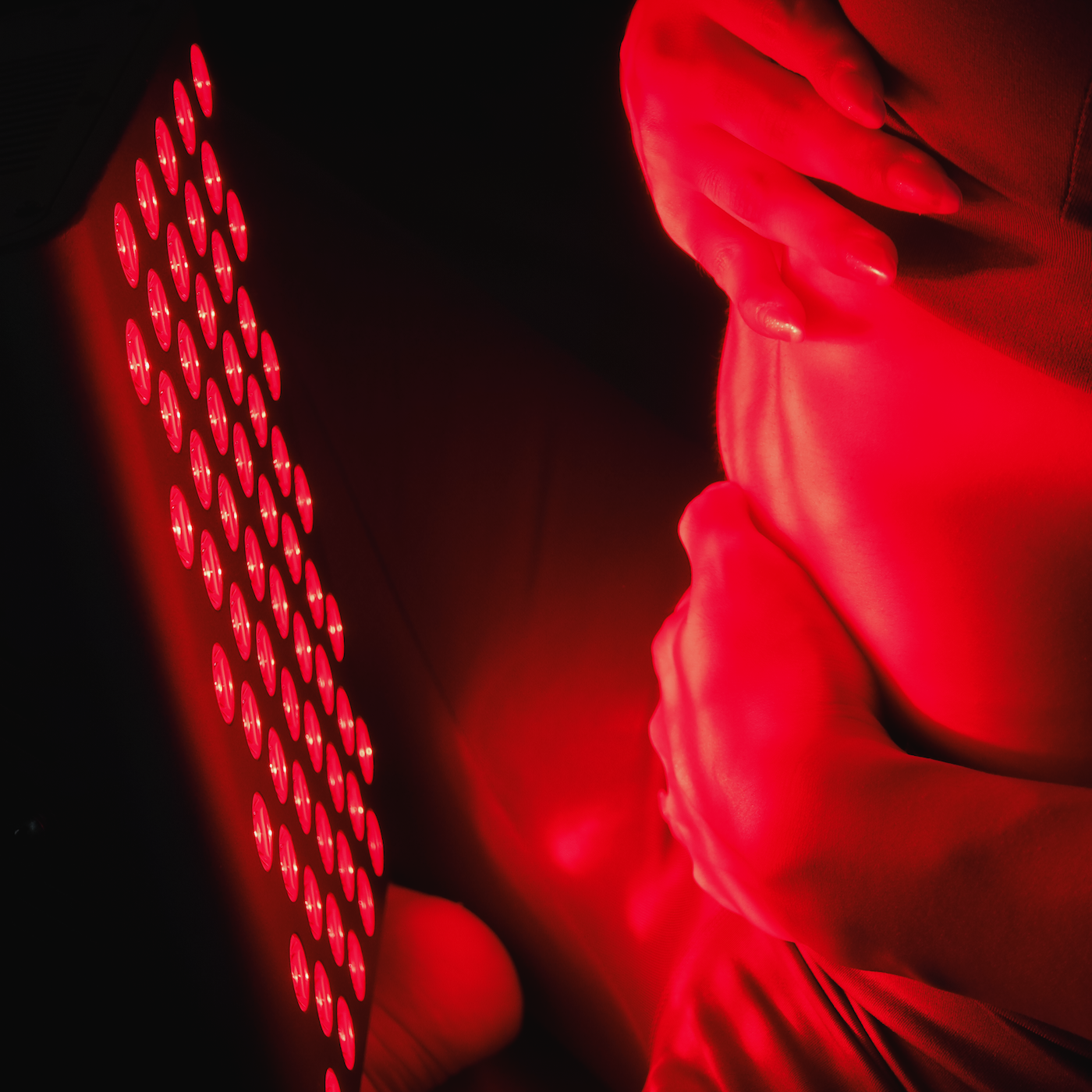
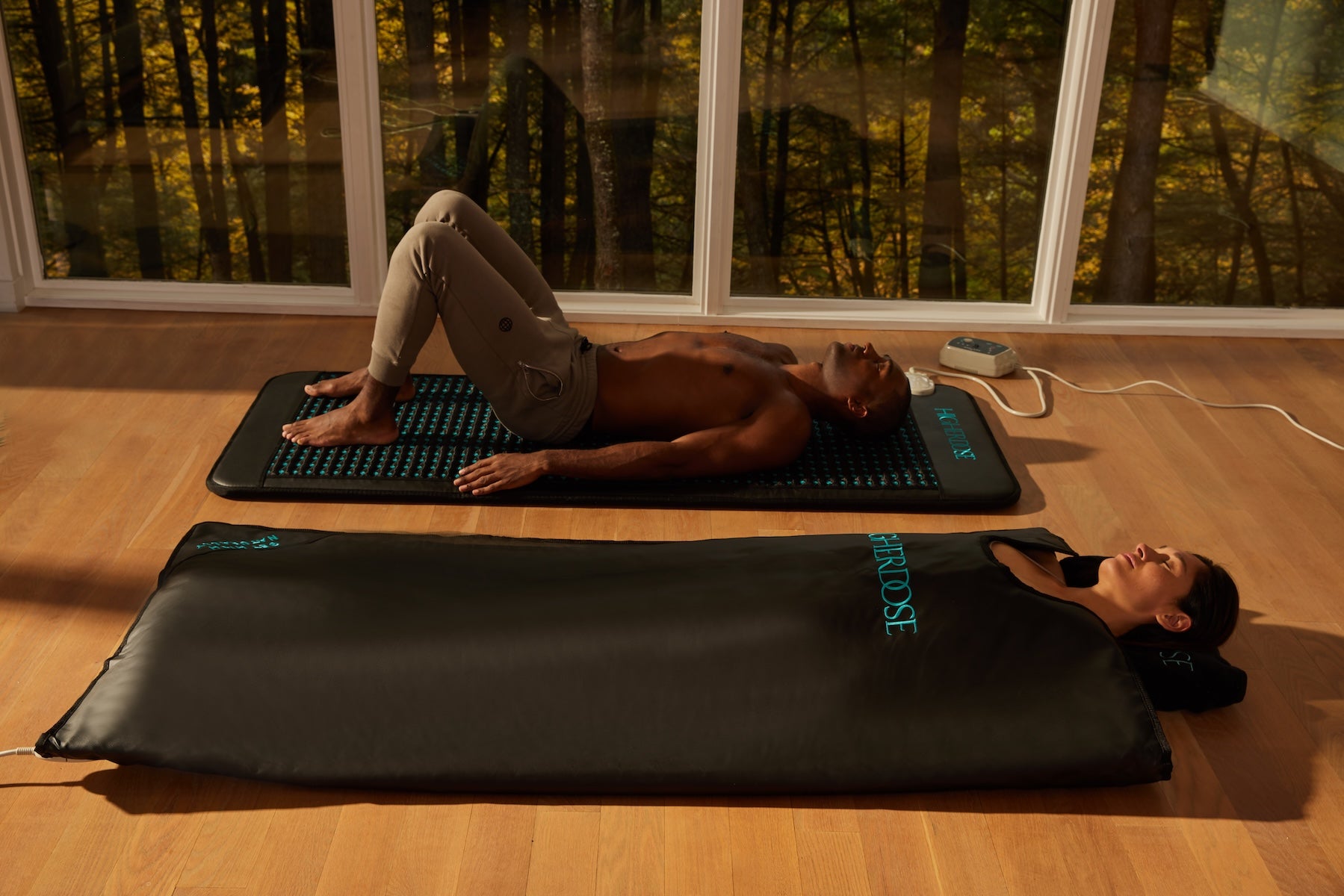
Light therapy was introduced as a treatment for seasonal affective disorder based on the effects of light on melatonin secretion and key neurotransmitters. The basic principle of light therapy is to compensate for the lack of light and help a person with SAD feel more energetic, refreshed, and emotionally stable, similar to the summer period.
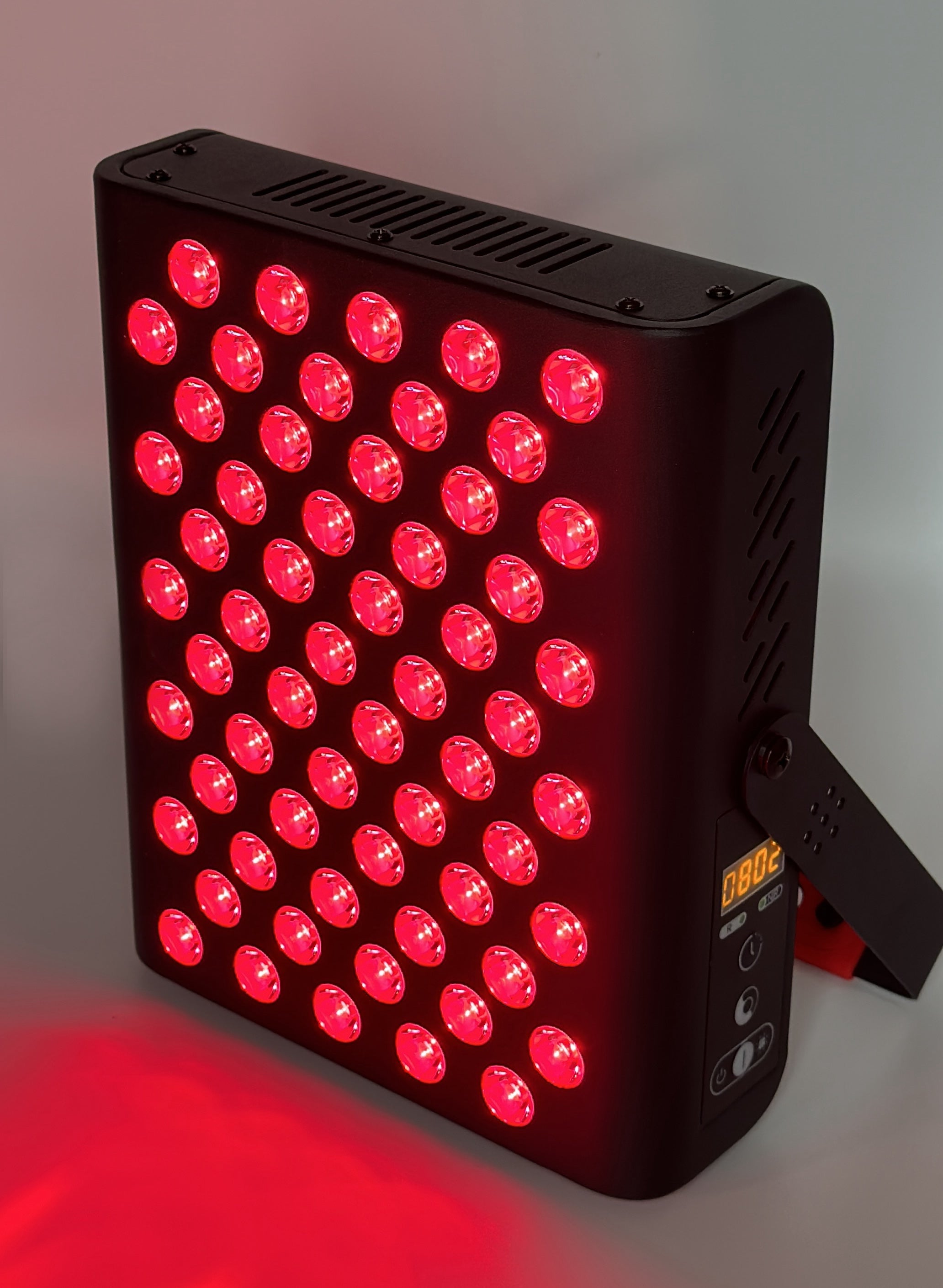
Light therapy suppresses the release of melatonin – either by gently waking you up using a simulated sunrise, or by reducing feelings of sluggishness during the day using bright light emitted by special SAD lamps.
How to get the most out of light therapy and how long does it take for the effects to appear?
Although the effects may vary from person to person, most people will start to see the benefits of light therapy within two to four days of starting treatment. Some people will see positive changes in their first session. The best time to use bright light therapy is early in the morning, immediately after waking up or upon arriving at work. In most cases, 30 minutes in front of a light therapy lamp is sufficient if you are using a real, dedicated device.
With light therapy, people usually feel more energetic, experience a sense of lightness, reduce constant fatigue and a strong need for sleep, and daily activities become easier to bear.
During the deepest winter months, it is recommended to use light therapy daily. While an occasional miss is usually not significant, regular daily use helps prevent SAD symptoms from returning. For best results, it is recommended to combine a sleep-wake light with a bright light therapy lamp. If you have to choose one device, it is usually recommended to start with a bright light therapy lamp.
What else can help relieve symptoms of SAD and "winter blues"?
In addition to light therapy, various lifestyle decisions can help relieve symptoms. It is important to find ways to get more light naturally, for example, planning a winter trip to a sunny country or consciously going for a walk every day during your lunch break. Regular aerobic physical activity also has a positive effect, which helps increase serotonin and dopamine levels, especially if training is done outdoors, during daylight hours. It is also recommended to follow a balanced diet and a regular eating regimen in order to avoid uncontrolled food cravings. Many people benefit from taking vitamin D supplements, given that vitamin D deficiency is very common in northern regions. Stress management is also important - this can be daily meditation, regular digital "detoxes" or breathing exercises before bed. In some cases, it is useful to start psychotherapy, and if necessary, consider the use of antidepressants, making this decision in consultation with your family doctor or other healthcare professional.