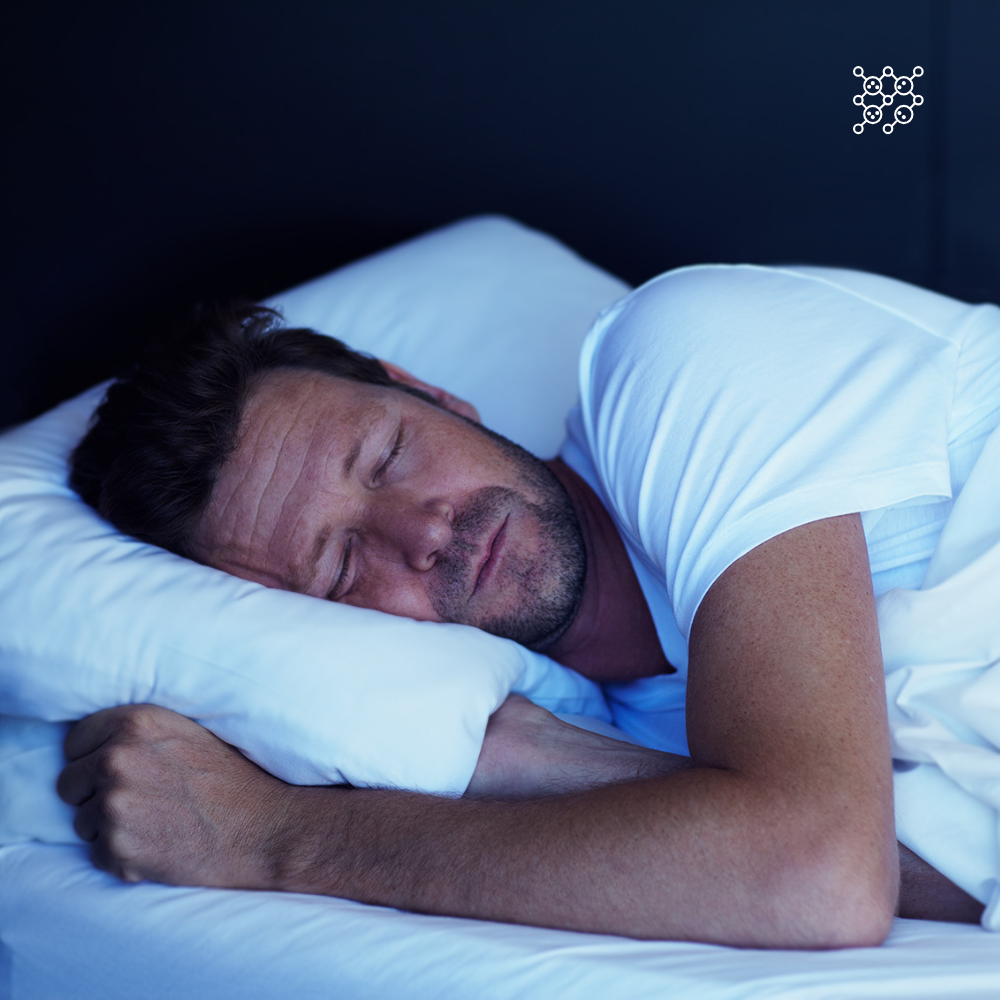
If we had to choose one molecule that connects all living organisms — plants, animals, and humans — it would probably be melatonin. We talk about it as the “sleep hormone,” but in fact it plays many more roles: it protects our cells, strengthens the immune system, helps the body fight stress, and even slows down aging. Sometimes it seems that melatonin is like an elixir of darkness, quietly working when the world is quiet. However, this substance is very sensitive to one thing that modern man has too much of: light.
When the body begins to prepare for sleep
Melatonin is produced deep in our brain, in the pineal gland, from a substance called serotonin. The latter regulates our mood, appetite, memory and, of course, sleep. As the day progresses into the evening, serotonin increases, and the body begins to prepare the main signal of the night — melatonin. It is like a gentle touch on the shoulder, saying: “time to rest” .
If we have too little serotonin, melatonin production is disrupted. Therefore, our evening peace begins not with candles or a book, but much earlier — on a plate. Products rich in tryptophan, such as cottage cheese, avocados, soy protein, turkey or even bananas, become the raw material for serotonin production. Vitamin B6 is also essential here. Only then can the body naturally switch to the rhythm of darkness. But the heart of this process lies not in the kitchen, but in the eyes.
When the eyes become the gateway to the internal clock
Our body’s “time center” is an internal clock in a region of the brain called the suprachiasmatic nucleus. It does not respond to our plans, fatigue, or desires, but only to one stimulus: light and darkness. When the eyes see light, the clock sends a signal: “Day.” When darkness reaches the eye, it releases a cascade of hormones, the main one being melatonin.
Here comes a paradox: our bodies are still wild in a sense. They only know the rhythm of the sun, not LED lamps or phone screens, which emit extremely high amounts of blue light. It is this part of the light — visible in the 446-477 nanometer wavelength range — that most strongly blocks melatonin production.
Blue light: the invisible thief of the night
Our grandparents would turn off kerosene lamps before going to bed, which emitted only 20-30 lux. Today, a typical kitchen lamp can emit 300 lux, and brighter LED bulbs can emit even more.
Studies with teenagers in Japan revealed a startling truth: just half an hour of bright light of 300-400 lux in the evening significantly reduced the amount of melatonin in the blood. And intense light of 2000 lux stopped melatonin almost completely. Our eyes are not designed for such an evening stream of light - they need to be in the dark.
One comprehensive study showed that two hours of blue light in the evening is enough to significantly reduce melatonin. Even closed eyes don't protect us: 5-10 lux of light reaching the surface of the eyelids also triggers a circadian signal.
The most paradoxical thing is that even red light (around 631 nm) can affect the melatonin rhythm, although its effect is much weaker. However, blue light is the real disruptor of the night.
The body is only able to produce melatonin for a limited time
A person can maintain maximum melatonin production for a maximum of twelve hours per day, but in practice, adults typically produce it for about nine or ten hours. Even the briefest flash of blue light can shorten this time.
That's why sleep disorders are skyrocketing in industrialized countries. That's why there's a public debate about the connection between nighttime light and breast cancer and other oncological diseases. Our bodies simply don't understand when it's night anymore.
Sleep, melatonin and real quality of life
How many hours of sleep does a person need? The answer is as varied as people. For children, up to fifteen hours. For teenagers, at least ten. For adults, six or seven are often enough. But here's a tricky nuance: it's not just the hours that matter, but also how much of them we spend in the dark, without the distractions of blue light.
If a person's lifestyle doesn't allow for 8-10 hours of sleep, it's still possible to help melatonin flow naturally. How? By protecting your eyes.
Sleep glasses: a modern way to restore the rhythm of darkness
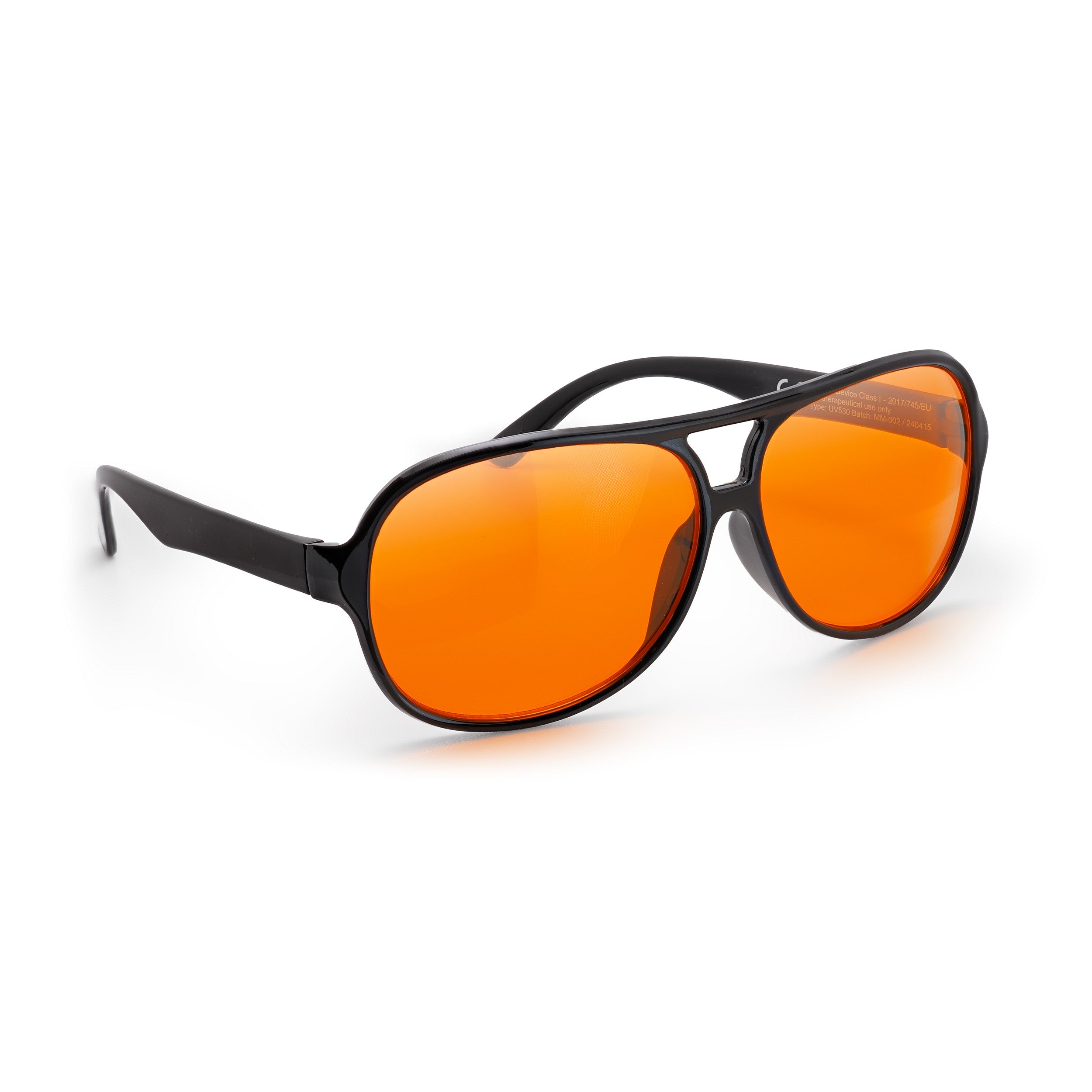
Sleep glasses that block blue light up to 530 nanometers are now considered one of the most effective ways to maintain melatonin production in the evening. They allow you to read, watch TV, work on the computer, or even scroll on your phone — and still maintain your natural nighttime signal.
It's a simple, non-invasive tool that doesn't intrude on habits, but creates the basic effect the body needs: darkness.
There are also alternatives — special lighting techniques that filter blue light, screen filters, or smart lighting solutions. However, sleep glasses remain the most versatile and affordable option.
What does science say about this?
A growing body of research shows that evening light affects more than just our mood or sleepiness. It has long-term effects on the entire circadian rhythm system.
One of the most interesting discoveries is that the human eye contains a special photoreceptor, completely different from the ones that help us see shapes or colors. It absorbs blue light and transmits a signal about "day" directly to the brain's clock.
This means one simple thing: melatonin production is regulated not only by how much sleep we get, but also by what our eyes see.
When light comes at the wrong time—in the evening, at night, or even early in the morning—our bodies start to get confused about the phases of the day. Scientists call this chronodisruption . It initially manifests as poorer sleep, but over time it has been linked to obesity, diabetes, heart disease, cognitive impairment, emotional imbalance, and even premature aging.
Melatonin — much more than a sleep hormone
This molecule does things we rarely think about: it lowers cholesterol, suppresses stress, protects cells and tissues from damage, regulates body temperature, and, it turns out, even affects longevity.
Melatonin is one of the most powerful natural antioxidants on earth. It is even abundant in plants — which is why some say that melatonin is like the nocturnal currency of all life.
An everyday paradox: the more light we have, the less rest we get
Light is not evil. During the day, blue light provides energy, alertness, and regulates mood. But in the evening, it becomes a distraction that slowly destroys our health.
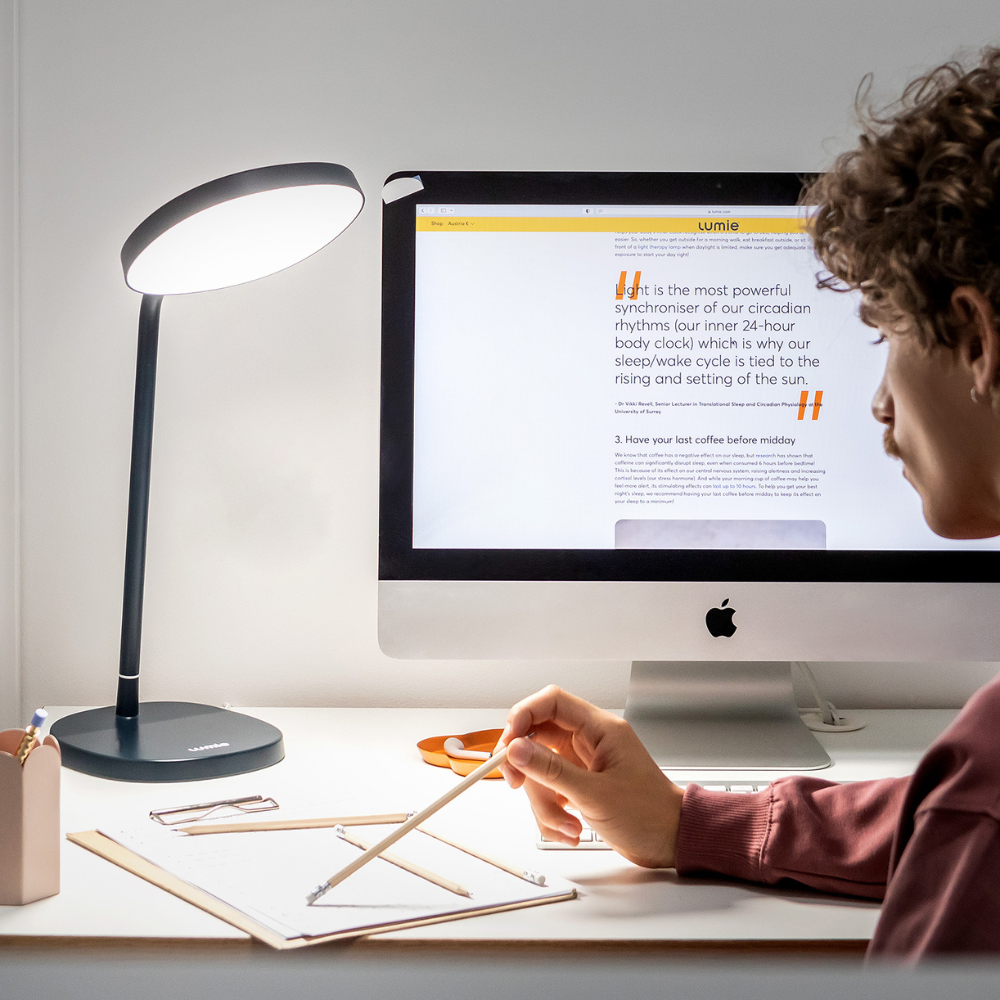
The solution? You don't have to move to the woods without electricity. Sometimes it's enough to simply understand how our bodies really work. Maybe tonight you'll turn off the bright ceiling lamp and replace it with a warm desk light. Maybe you'll turn on a screen filter. Maybe you'll put on sleep glasses. Small decisions that the body perceives as big.
Because when we allow darkness to enter our evening, we give back to the body what it lacks most: its natural rhythm.
And then melatonin, our silent guardian of the night, can do its job again.